Author: deepthikonchada

  • Male Fertility Testing: What Men Should Know

    Male Fertility Testing: What Men Should Know

    Introduction

    Male fertility testing helps men and couples understand their ability to have children. Many people think only women need fertility tests. However, male fertility testing is just as important. In fact, about one-third of fertility problems are linked to men, according to the World Health Organization (WHO). Knowing about male fertility testing can help you take the right steps early. This blog explains the male fertility test process, why it matters, and what men should expect.

    What Is Male Fertility Testing?

    Male fertility testing is a set of tests that check a man’s ability to father a child. These tests look at sperm health, hormone levels, and other factors. Because fertility issues can affect both partners, testing both men and women is important. Male fertility tests are safe, simple, and often done in a clinic or lab.

    Common Reasons for Male Fertility Testing

    There are several reasons why a doctor may suggest male fertility testing. For example, you may need testing if:

  • You and your partner have tried to get pregnant for over a year without success
  • You have a history of testicle injuries or surgeries
  • You have problems with erections or ejaculation
  • You have had cancer treatments, such as chemotherapy or radiation
  • Your doctor finds changes in your hormone levels
  • Sometimes, men want to check their fertility before starting a family. Early testing can help spot problems sooner.

    Types of Male Fertility Tests

    Doctors use several tests to check male fertility. The most common tests include:

  • Semen analysis: This test checks sperm count, shape, and movement. It is the main test for male fertility.
  • Hormone tests: Blood tests measure hormones like testosterone and FSH, which affect sperm production.
  • Genetic tests: These tests look for genetic causes of infertility.
  • Imaging tests: Ultrasound scans check for blockages or problems in the testicles or tubes.
  • Physical exam: The doctor checks for lumps, swelling, or other issues.
  • Each test gives important information about male infertility diagnosis.

    How to Prepare for a Fertility Test

    Proper male fertility test preparation helps get accurate results. Here are some tips:

  • Follow your doctor’s instructions closely
  • Avoid ejaculation for 2-5 days before a semen analysis
  • Do not drink alcohol or use drugs before testing
  • Tell your doctor about any medicines or supplements you take
  • Stay hydrated and get enough sleep
  • Because preparation can affect results, always ask your doctor if you have questions.

    What to Expect During Testing

    During male fertility testing, you may feel nervous. However, the process is simple and private. For a semen analysis, you will provide a sample at the clinic or at home. The sample is then sent to a lab. Blood tests are done with a small needle. Imaging tests, like ultrasound, are painless and quick. Most tests take less than an hour. Your doctor will explain each step before starting.

    Understanding Test Results

    After testing, your doctor will review the results with you. Here is what the results may show:

  • Normal results: Sperm count, shape, and movement are healthy
  • Low sperm count: Fewer sperm than normal
  • Poor sperm movement: Sperm do not swim well
  • Abnormal shape: Sperm look different from normal
  • Hormone problems: Hormone levels are too high or too low
  • Sometimes, results may be unclear. In that case, your doctor may repeat the test or suggest more tests.

    Next Steps After Testing

    Once you have your results, your doctor will discuss treatment options. For example, you may need lifestyle changes, medicines, or procedures. Sometimes, doctors refer men to a fertility specialist for more help. Early action can improve your chances of having a child. Always ask questions if you do not understand your results.

    Tips for Supporting Male Fertility

    There are simple ways to support male fertility. Consider these tips:

  • Eat a balanced diet rich in fruits and vegetables
  • Exercise regularly, but avoid heavy lifting
  • Maintain a healthy weight
  • Do not smoke or use tobacco
  • Limit alcohol and avoid illegal drugs
  • Protect your testicles from injury
  • Manage stress with relaxation techniques
  • Because small changes can make a big difference, start healthy habits early.

    Frequently Asked Questions

  • Is male fertility testing painful? Most tests are not painful. Blood tests may cause mild discomfort.
  • How long do results take? Semen analysis results are usually ready in a few days.
  • Can lifestyle changes improve fertility? Yes, healthy habits can boost sperm health.
  • Do I need a referral for testing? In most cases, you can ask your doctor directly.
  • Is male infertility common? Yes, it affects about one in seven couples, according to the CDC.
  • Conclusion

    Male fertility testing is a key step for men and couples who want to have children. Early testing helps find problems and guide treatment. If you have concerns about your fertility, consult a fertility specialist for personalized advice and support.

  • Thin Endometrium and Infertility: Causes, Symptoms, Diagnosis, and Treatment

    Thin Endometrium and Infertility: Causes, Symptoms, Diagnosis, and Treatment

    What Is Thin Endometrium?

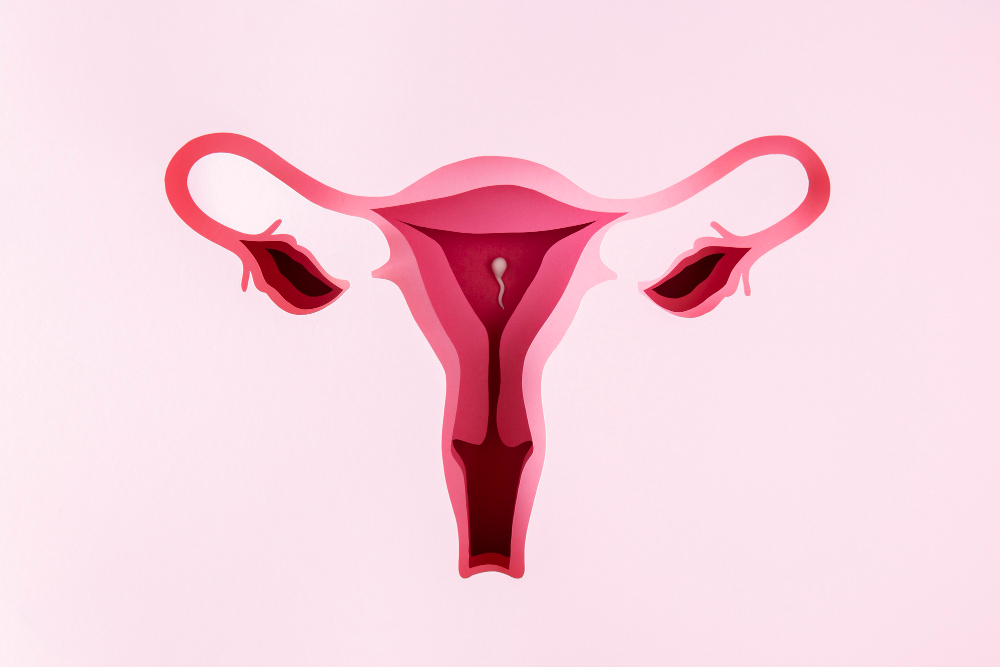
    The endometrium is the inner lining of the uterus. It thickens each month to prepare for a possible pregnancy. A thin endometrium means this lining is not thick enough. Usually, a healthy endometrial thickness is between 7 and 14 millimeters during the middle of the menstrual cycle. However, if the lining is less than 7 millimeters, it is often called a thin endometrium. This condition can affect a woman’s ability to get pregnant.

    How Does Thin Endometrium Cause Infertility?

    For pregnancy to happen, a fertilized egg must attach to the endometrial lining. If the lining is too thin, the egg may not implant well. As a result, this can lower the chances of pregnancy. In fact, studies show that women with a thin endometrial lining have lower success rates with fertility treatments. Therefore, thin endometrium and infertility are closely linked. Improving endometrial thickness can help increase the chances of pregnancy.

    Common Symptoms and Signs

    Often, thin endometrium does not cause clear symptoms. Still, some women may notice:

  • Light or short menstrual periods
  • Irregular cycles
  • Difficulty getting pregnant
  • Early pregnancy loss
  • However, these signs can also happen with other health issues. So, it is important to talk to a doctor if you notice these changes.

    Main Causes and Risk Factors

    Several factors can lead to a thin endometrial lining. Some common causes include:

  • Low estrogen levels
  • Previous uterine surgery or infection
  • Use of certain fertility drugs
  • Chronic inflammation of the uterus
  • Age, especially over 35
  • Smoking or poor blood flow to the uterus
  • Additionally, some women may have a naturally thin endometrium. Knowing the cause helps guide the right treatment.

    Diagnosis: How Thin Endometrium Is Detected

    Doctors use several methods to check endometrial thickness. Most often, a pelvic ultrasound is used. This test measures the lining during the menstrual cycle. Sometimes, a doctor may use a hysteroscopy. This is a small camera that looks inside the uterus. Blood tests may also check hormone levels. Early diagnosis helps in planning the best fertility treatment for thin endometrium.

    Treatment Options

    There are many ways to treat thin endometrium and improve endometrial thickness. Treatment depends on the cause. Options include:

  • Medications: Estrogen pills or patches can help thicken the lining. Sometimes, doctors use other hormones or blood flow medicines.
  • Procedures: In some cases, doctors may suggest a procedure to remove scar tissue from the uterus.
  • Lifestyle changes: Quitting smoking, eating a balanced diet, and regular exercise can help. Managing stress is also important.
  • Supplements: Some studies suggest that vitamin E, L-arginine, or aspirin may help, but always ask your doctor first.
  • For women trying to get pregnant, doctors may use special fertility treatments for thin endometrium, such as IVF with extra support for the lining.

    Prevention Tips and Lifestyle Guidance

    While not all cases can be prevented, some steps may lower the risk:

  • Maintain a healthy weight
  • Eat a diet rich in fruits, vegetables, and whole grains
  • Avoid smoking and limit alcohol
  • Manage stress through relaxation or gentle exercise
  • See your doctor for regular check-ups
  • Additionally, early treatment of infections or hormone problems can help protect the endometrial lining.

    When to See a Doctor

    If you have trouble getting pregnant or notice changes in your periods, see a doctor. Early care can help find and treat thin endometrium and infertility. Moreover, if you have had repeated pregnancy loss, talk to a fertility specialist. They can guide you on improving endometrial thickness and choosing the best treatment.

    In summary, thin endometrium and infertility can be managed with the right care. Consult a fertility specialist for personalized advice on thin endometrium and infertility.

  • High-Risk Pregnancy: Who Needs Extra Care and Why

    High-Risk Pregnancy: Who Needs Extra Care and Why

    What is a High-Risk Pregnancy?

    A high-risk pregnancy is when a mother or baby has a higher chance of health problems before, during, or after birth. Doctors use the term “high-risk pregnancy” when extra care is needed to keep both mother and baby safe. Because some pregnancies need more attention, knowing who is at risk helps families prepare and seek the right care.

    For example, some women may have health conditions or other factors that make their pregnancy more complicated. In these cases, doctors watch closely and may suggest special tests or visits. Understanding high-risk pregnancy care is important for a healthy outcome.

    Who is at Risk?

    Many things can increase the chance of a high-risk pregnancy. However, not all risks mean there will be problems. Still, knowing the risk factors for high-risk pregnancy helps families and doctors plan ahead.

  • Age: Women under 17 or over 35 have a higher risk.
  • Health Conditions: Diabetes, high blood pressure, or heart problems can raise risk.
  • Pregnancy Complications: Issues like early labor, twins, or past pregnancy problems matter.
  • Lifestyle Factors: Smoking, drinking alcohol, or using drugs can harm mother and baby.
  • Weight: Being very overweight or underweight can affect pregnancy health.
  • Infections: Some infections, like HIV or Zika, can cause complications.
  • Family History: If close relatives had pregnancy problems, risk may be higher.
  • Because each woman is different, doctors look at the whole picture before deciding if extra care is needed.

    Why Extra Care is Needed

    High-risk pregnancy care is important because it helps prevent or catch problems early. For instance, some women may develop pregnancy complications like preeclampsia (high blood pressure during pregnancy), early labor, or problems with the baby’s growth. These issues can affect both mother and baby.

    With extra care, doctors can monitor the health of both. They may suggest more check-ups, special tests, or treatments. As a result, many problems can be managed before they become serious. According to the CDC, regular care lowers the risk of severe outcomes for mothers and babies.

    How High-Risk Pregnancies are Managed

    Managing high-risk pregnancy involves careful planning and regular visits. Doctors may use special tests to check the baby’s growth and mother’s health. For example, they might do more ultrasounds or blood tests.

  • Frequent doctor visits to monitor health
  • Special tests, like ultrasounds or heart rate checks
  • Medicines to control health problems, if needed
  • Advice on diet, exercise, and rest
  • Planning for delivery in a hospital with special care
  • In some cases, doctors may suggest seeing a specialist. For those living in cities, high-risk pregnancy care in your area may offer extra support and resources.

    Tips for Expectant Mothers

    Even with risk factors, many women have healthy pregnancies. However, following good habits can make a big difference. Here are some tips for managing high-risk pregnancy:

  • Attend all doctor visits and follow advice
  • Eat a balanced diet rich in fruits, vegetables, and whole grains
  • Stay active with gentle exercise, if your doctor agrees
  • Avoid smoking, alcohol, and drugs
  • Take prenatal vitamins as recommended
  • Get enough rest and manage stress
  • Report any unusual symptoms, like pain or bleeding, right away
  • Because every pregnancy is unique, always talk to your doctor about your personal risks and needs. Early action can help prevent many problems.

    Conclusion

    In summary, high-risk pregnancy means some mothers and babies need extra care to stay healthy. Knowing the risk factors and following your doctor’s advice can help ensure the best outcome. If you have concerns or think you may be at risk, consult a qualified obstetrician or gynecologist for personalized guidance on high-risk pregnancy care.

  • Breastfeeding: Benefits & Tips for New Mothers and Babies

    Breastfeeding: Benefits & Tips for New Mothers and Babies

    Introduction

    Breastfeeding is a natural way to feed your baby. It offers many health benefits for both newborns and mothers. In fact, experts like the World Health Organization (WHO) and the Centers for Disease Control and Prevention (CDC) recommend breastfeeding for at least the first six months. Not only does it provide the best nutrition, but it also helps build a strong bond between mother and child. In this blog, we will explore breastfeeding: benefits & tips, common challenges, and when to seek help.

    What is Breastfeeding?

    Breastfeeding means feeding your baby with milk from your breast. This milk is made by your body and is specially designed for your baby’s needs. For example, it contains the right mix of vitamins, protein, and fat. It also has antibodies that help protect your baby from illness. Most health experts agree that breast milk is the best first food for babies. However, every family’s situation is unique, and support is available for all feeding choices.

    Top Benefits of Breastfeeding

    Benefits for Babies

  • Breast milk is easy to digest and gentle on your baby’s stomach.
  • It contains antibodies that help fight infections and boost immunity.
  • Babies who are breastfed have a lower risk of ear infections, diarrhea, and some allergies.
  • Some studies show breastfeeding may lower the risk of sudden infant death syndrome (SIDS).
  • It supports healthy weight gain and brain development.
  • Benefits for Mothers

  • Breastfeeding helps your body recover after childbirth by releasing hormones that shrink the uterus.
  • It may lower your risk of breast and ovarian cancer.
  • Breastfeeding can help you burn extra calories, which may support weight loss.
  • It saves time and money since you do not need to buy formula or bottles.
  • Many mothers find that breastfeeding creates a special bond with their baby.
  • Common Challenges and Solutions

    While breastfeeding is natural, it can sometimes be hard. Many new moms face challenges, but most can be solved with the right support. For instance, some mothers experience sore nipples or low milk supply. Others may worry about their baby’s latch or feeding schedule. However, help is available. Here are some common issues and ways to address them:

  • Sore nipples: Make sure your baby is latching well. Try changing positions or using nipple creams.
  • Low milk supply: Breastfeed often, drink plenty of fluids, and get enough rest. If needed, talk to a lactation consultant.
  • Engorgement: Feed your baby often and use warm compresses to ease discomfort.
  • Blocked ducts: Gently massage the area and continue breastfeeding to clear the blockage.
  • Returning to work: Plan ahead by learning how to pump and store breast milk safely.
  • Remember, every mother and baby is different. If you face ongoing problems, do not hesitate to seek help.

    Essential Breastfeeding Tips for New Mothers

    Starting your breastfeeding journey can feel overwhelming. Yet, with a few simple tips, you can make the process smoother. Here are some helpful breastfeeding tips for new moms:

  • Begin breastfeeding as soon as possible after birth, ideally within the first hour.
  • Feed your baby on demand, whenever they show signs of hunger.
  • Make sure your baby latches well. A good latch prevents pain and helps your baby get enough milk.
  • Stay hydrated and eat a balanced diet to support milk production.
  • Find a comfortable position for both you and your baby. Use pillows if needed.
  • Ask for help from nurses, doctors, or lactation consultants if you have questions.
  • Take care of yourself. Rest when you can and accept help from family and friends.
  • With patience and support, breastfeeding can become a rewarding experience for you and your baby.

    When to Seek Medical Advice

    Sometimes, breastfeeding problems need medical attention. For example, if your baby is not gaining weight, seems very sleepy, or has fewer than six wet diapers a day, contact your doctor. Also, if you have severe pain, fever, or signs of infection, seek help right away. Early support can prevent small issues from becoming bigger problems. Do not wait if you are worried about your health or your baby’s well-being.

    Frequently Asked Questions about Breastfeeding

  • How long should I breastfeed my baby?
  • Experts recommend exclusive breastfeeding for the first six months. After that, you can add solid foods and continue breastfeeding for up to two years or more.
  • Can I breastfeed if I am sick?
  • In most cases, yes. Breast milk can help protect your baby from illness. However, check with your doctor if you have a serious infection.
  • Is it normal for breastfeeding to hurt?
  • Some discomfort is common at first. But ongoing pain is not normal. If you have pain, ask for help to check your baby’s latch.
  • Can I take medicine while breastfeeding?
  • Many medicines are safe, but always check with your doctor before taking any new medicine.
  • What if I cannot breastfeed?
  • Sometimes, breastfeeding is not possible. In that case, formula feeding is a safe and healthy option. Your baby can still thrive with love and care.
  • Conclusion

    Breastfeeding offers many benefits for both babies and mothers. However, it can come with challenges. With the right tips and support, most mothers can overcome these hurdles. If you have questions or concerns, consult a healthcare provider or lactation consultant for personalized breastfeeding support.

  • What is Polycystic Ovary Syndrome? (PCOS)

    What is Polycystic Ovary Syndrome? (PCOS)

    What is Polycystic Ovary Syndrome (PCOS)?

    Polycystic Ovary Syndrome, or PCOS, is a common health problem in women. It affects how the ovaries work. Many women of childbearing age have PCOS. In fact, the Centers for Disease Control and Prevention (CDC) says that up to 10% of women may have this condition. PCOS can cause irregular periods, extra hair growth, and trouble getting pregnant. Because it can affect many parts of the body, it is important to understand PCOS and how to manage it.

    Common Symptoms of PCOS

    PCOS symptoms can vary from person to person. However, some signs are more common. Early detection can help with better management. Here are some symptoms to watch for:

  • Irregular or missed periods
  • Extra hair growth on the face, chest, or back (hirsutism)
  • Acne or oily skin
  • Thinning hair or hair loss on the scalp
  • Weight gain or trouble losing weight
  • Dark patches of skin, often on the neck or underarms
  • Difficulty getting pregnant
  • Not all women with PCOS have every symptom. Still, if you notice these signs, it is wise to talk to a doctor.

    Causes and Risk Factors

    Doctors do not know the exact cause of PCOS. Yet, several factors may play a role. For example, hormone imbalance is common in women with PCOS. The body may make too much insulin or male hormones called androgens. This can affect how the ovaries work. In addition, genetics may increase your risk. If your mother or sister has PCOS, you may be more likely to have it too. Other risk factors include:

  • Being overweight or obese
  • Family history of PCOS
  • Insulin resistance
  • Low physical activity
  • Because these factors can add up, it is important to know your risks.

    How PCOS is Diagnosed

    Doctors use several steps to diagnose PCOS. First, they ask about your symptoms and health history. Next, they may do a physical exam. Blood tests can check hormone levels. An ultrasound may show if your ovaries have small cysts. According to the World Health Organization (WHO), a diagnosis often needs at least two of these signs:

  • Irregular periods
  • High levels of androgens
  • Polycystic ovaries seen on ultrasound
  • Because other health problems can look like PCOS, your doctor may rule out other causes first.

    Treatment Options for PCOS

    There is no cure for PCOS, but treatment can help manage symptoms. Your doctor will suggest options based on your needs. For example, if you want to get pregnant, certain medicines can help. Common treatments include:

  • Birth control pills to regulate periods
  • Medicines to lower androgen levels
  • Metformin to help with insulin resistance
  • Fertility treatments if you wish to have a baby
  • Medicines for acne or extra hair growth
  • Because each woman is different, your doctor will help choose the best plan for you.

    Lifestyle Tips for Managing PCOS

    Healthy habits can make a big difference for women with PCOS. Even small changes can help manage symptoms. Here are some tips:

  • Eat a balanced diet with fruits, vegetables, and whole grains
  • Exercise regularly, such as walking or swimming
  • Maintain a healthy weight
  • Get enough sleep each night
  • Manage stress through yoga or meditation
  • Because lifestyle changes can improve how your body uses insulin, they may also help with weight and hormone balance.

    Prevention and Long-Term Outlook

    There is no sure way to prevent PCOS. However, staying active and eating well can lower your risk. Early treatment can help prevent long-term problems. For example, women with PCOS may have a higher risk of diabetes, high blood pressure, and heart disease. Regular check-ups with your doctor can help catch these issues early. With the right care, most women with PCOS can lead healthy lives.

    In summary, Polycystic Ovary Syndrome is a common women’s health issue. If you notice symptoms or have concerns, consult a healthcare specialist for personalized advice on PCOS.

  • PCOS and Diabetes: Understanding the Link, Symptoms, and Management

    PCOS and Diabetes: Understanding the Link, Symptoms, and Management

    Introduction to PCOS and Diabetes

    PCOS and Diabetes are two common health conditions that affect many women. PCOS, or Polycystic Ovary Syndrome, is a hormone problem that can cause irregular periods, acne, and extra hair growth. Diabetes, especially type 2 diabetes, is a condition where the body cannot control blood sugar well. Many women with PCOS are at higher risk for developing type 2 diabetes. This is because both conditions are linked to insulin resistance, which means the body does not use insulin properly. As a result, understanding the link between PCOS and diabetes is important for early care and better health.

    Common Symptoms

    Both PCOS and diabetes can cause a range of symptoms. However, some signs may overlap. For example, you may notice changes in your body or how you feel. Early recognition helps in managing PCOS and diabetes effectively.

  • Irregular or missed periods
  • Weight gain, especially around the belly
  • Increased hair growth on the face or body
  • Acne or oily skin
  • Dark patches of skin, often on the neck or underarms
  • Feeling very thirsty or hungry
  • Frequent urination
  • Tiredness or low energy
  • Because these symptoms can be caused by other issues, it is important to talk to a doctor if you notice them.

    Causes and Risk Factors

    Several factors can increase the risk of both PCOS and type 2 diabetes. For instance, genetics play a role. If your mother or sister has PCOS or diabetes, your risk may be higher. Additionally, being overweight can make insulin resistance worse. This means your body has trouble using insulin, which raises blood sugar levels. Hormone imbalances also contribute to PCOS and diabetes. In the US, lifestyle factors like poor diet and lack of exercise can increase your risk as well.

  • Family history of PCOS or diabetes
  • Being overweight or obese
  • Unhealthy eating habits
  • Physical inactivity
  • Hormone imbalances
  • Because these risk factors often overlap, managing them can help lower your chances of developing both conditions.

    Diagnosis (Tests and Criteria)

    Doctors use several tests to diagnose PCOS and diabetes. First, they will ask about your symptoms and medical history. Next, they may do a physical exam. Blood tests are common for checking hormone levels and blood sugar. For PCOS, an ultrasound may be done to look for small cysts on the ovaries. For diabetes, a fasting blood sugar test or an A1C test can show if your blood sugar is too high. According to the CDC, early diagnosis helps prevent long-term problems.

  • Blood tests for hormone levels
  • Blood sugar tests (fasting glucose, A1C)
  • Ultrasound of the ovaries
  • Physical exam and symptom review
  • Because symptoms can be mild, regular check-ups are important, especially if you have risk factors.

    Treatment and Management Options

    Managing PCOS and diabetes often involves a mix of treatments. For example, doctors may suggest medicines to control blood sugar or balance hormones. Birth control pills can help with irregular periods in PCOS. Metformin, a diabetes medicine, is sometimes used for both conditions. In addition, regular exercise and a healthy diet are key parts of managing PCOS and diabetes. Your doctor will create a plan that fits your needs.

  • Medicines to control blood sugar (like metformin)
  • Hormone treatments (such as birth control pills)
  • Weight loss programs
  • Regular physical activity
  • Healthy eating plans
  • Because each person is different, treatment plans may vary. Always follow your doctor’s advice for the best results.

    Lifestyle and Dietary Guidance

    Healthy lifestyle choices can make a big difference in managing PCOS and diabetes. For instance, eating balanced meals helps control blood sugar. Regular exercise can lower insulin resistance. Even small changes can have a big impact over time.

  • Eat more fruits, vegetables, and whole grains
  • Limit sugary foods and drinks
  • Choose lean proteins like chicken or beans
  • Exercise for at least 30 minutes most days
  • Maintain a healthy weight
  • Because stress can affect your health, try relaxation techniques like deep breathing or yoga. Support from family and friends also helps you stay on track.

    Prevention Tips

    While you cannot change your genes, you can lower your risk of PCOS and diabetes with healthy habits. For example, staying active and eating well are important. Regular check-ups help catch problems early.

  • Keep a healthy weight
  • Stay active every day
  • Eat a balanced diet
  • Limit processed foods and sugar
  • See your doctor for regular screenings
  • Because prevention is easier than treatment, start healthy habits as early as possible.

    When to See a Doctor

    If you notice symptoms like irregular periods, weight gain, or high blood sugar, see a doctor soon. Early care can prevent serious health problems. In the US, many clinics offer screenings for PCOS and diabetes. If you have a family history or other risk factors, regular check-ups are even more important. Because both conditions can affect your long-term health, do not wait to seek help.

    Consult a healthcare specialist for personalized advice on managing PCOS and diabetes.

  • Menstrual Disorders During Perimenopause: Understanding Changing Periods

    Menstrual Disorders During Perimenopause: Understanding Changing Periods

    What Are Menstrual Disorders?

    Menstrual disorders are problems related to your monthly period. For example, you may have heavy bleeding, missed periods, or spotting between cycles. These issues can affect your daily life. In many cases, they may also signal changes in your body. During perimenopause, menstrual disorders become more common. Therefore, it is important to understand what to expect.

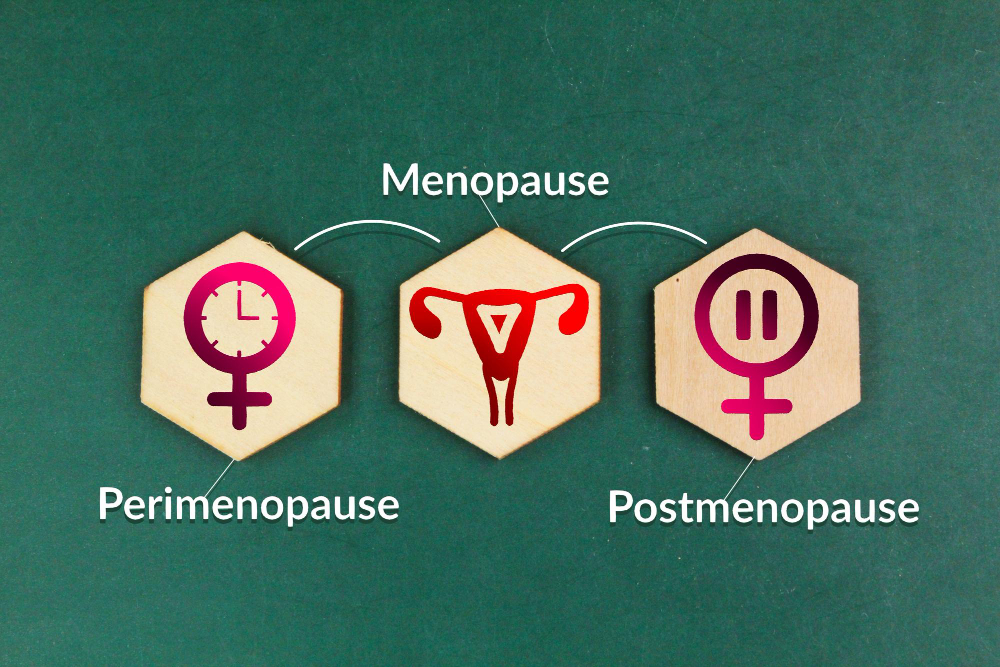
    Understanding Perimenopause

    Perimenopause is the time before menopause. It usually starts in your 40s, but it can begin earlier for some women. During this stage, your body makes less estrogen. As a result, your periods may change. Eventually, perimenopause ends when you have not had a period for 12 months. This marks the start of menopause.

    How Perimenopause Affects Menstrual Cycles

    During perimenopause, your periods may become less regular. For instance, you might notice longer or shorter cycles. Sometimes, you may skip a period. At other times, your flow may be heavier or lighter than usual. Because hormone levels change, these shifts are common. Many women experience irregular periods in perimenopause.

    Common Symptoms and Signs

    Many women notice changes in their periods during perimenopause. Some common symptoms include:

  • Irregular periods (cycles may be longer or shorter)
  • Heavy bleeding during perimenopause
  • Spotting between periods
  • Periods that last longer or shorter than usual
  • Missed periods
  • Clotting during periods
  • In addition, you may have other symptoms, such as hot flashes or mood changes. However, these are not always linked to your period.

    Causes and Risk Factors

    Hormone changes are the main cause of perimenopausal menstrual changes. As estrogen and progesterone levels shift, your body reacts. However, other factors can also play a role. For example:

  • Family history of early menopause
  • Smoking
  • Certain health conditions (like thyroid problems)
  • High stress levels
  • Because each woman is different, symptoms can vary widely. Some women may have only mild changes, while others notice more severe symptoms.

    Diagnosis and When to Seek Help

    Doctors use your medical history and symptoms to diagnose menstrual disorders during perimenopause. Sometimes, they may order blood tests to check hormone levels. In some cases, they may suggest an ultrasound to look at your uterus. If you have very heavy bleeding, bleeding between periods, or periods that last longer than seven days, see your doctor. Also, seek help if you feel weak, dizzy, or have severe pain.

    Treatment Options

    Treatment depends on your symptoms and health needs. For mild symptoms, you may not need treatment. However, if your symptoms are severe, your doctor may suggest:

  • Hormone therapy to balance estrogen and progesterone
  • Birth control pills to regulate periods
  • Non-hormonal medicines to reduce heavy bleeding
  • Iron supplements if you have anemia
  • In rare cases, surgery may be needed. Your doctor will help you choose the best option.

    Lifestyle Tips for Managing Symptoms

    Simple lifestyle changes can help you manage perimenopausal menstrual changes. For example:

  • Eat a balanced diet rich in iron and calcium
  • Exercise regularly to boost mood and energy
  • Track your periods to notice changes
  • Practice stress-reducing activities, such as yoga or meditation
  • Stay hydrated and get enough sleep
  • Because every woman is unique, some tips may work better for you than others.

    Prevention and Self-Care

    While you cannot prevent perimenopause, you can take steps to support your health. For instance, regular check-ups help catch problems early. In addition, avoid smoking and limit alcohol. If you notice unusual changes, talk to your doctor. Early care can make a big difference.

    In summary, menstrual disorders during perimenopause are common. However, help is available. Consult a gynecologist for personalized advice on menstrual disorders during perimenopause.

  • What is Laparoscopic Hysterectomy? Understanding the Procedure and Benefits

    What is Laparoscopic Hysterectomy? Understanding the Procedure and Benefits

    Introduction

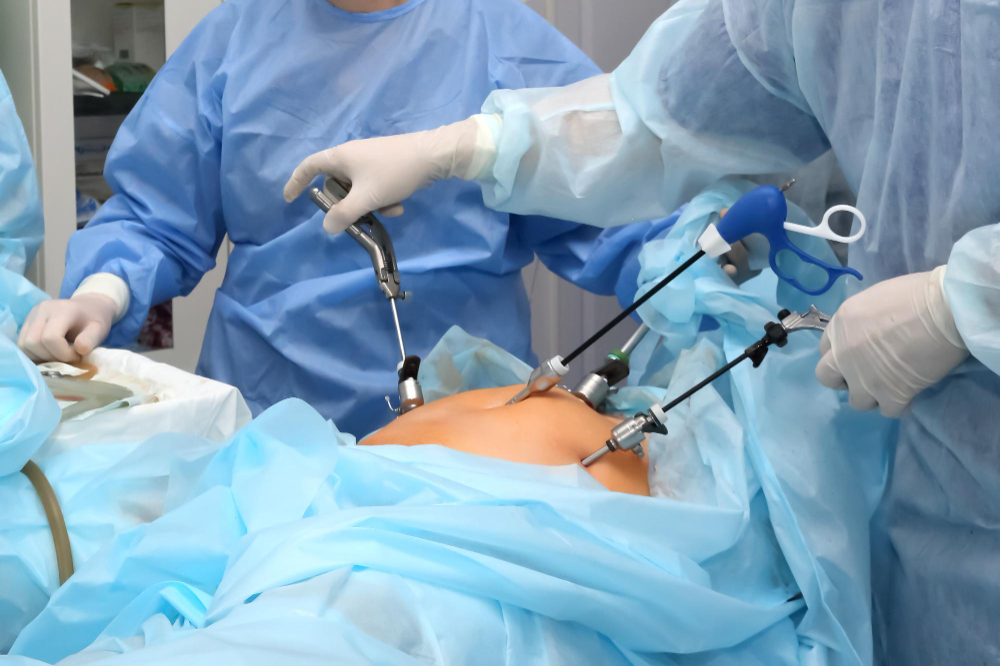
    Laparoscopic hysterectomy is a minimally invasive hysterectomy procedure. Doctors use it to remove the uterus through small cuts in the belly. This surgery helps treat several women’s health problems. Because it uses tiny tools and a camera, recovery is often faster than with open surgery. Many women choose this option for less pain and a quicker return to daily life.

    Symptoms and Conditions Leading to Laparoscopic Hysterectomy

    Doctors may suggest a laparoscopic hysterectomy for different reasons. Often, women have symptoms that do not improve with other treatments. For example, you may need this surgery if you have:

  • Heavy or long-lasting periods that do not get better with medicine
  • Severe pelvic pain or pressure
  • Uterine fibroids (non-cancerous growths in the uterus)
  • Endometriosis (tissue like the lining of the uterus grows outside it)
  • Adenomyosis (tissue from the uterus lining grows into the muscle wall)
  • Cancer or pre-cancer of the uterus, cervix, or ovaries
  • Chronic pelvic infections
  • Sometimes, other treatments do not work. In these cases, your doctor may recommend a minimally invasive hysterectomy procedure.

    How the Procedure Is Performed

    First, you will get anesthesia, so you sleep during surgery. Next, the doctor makes a few small cuts in your belly. Through one cut, a thin tube with a camera (laparoscope) goes in. This camera helps the doctor see inside your body. Then, special tools are placed through the other cuts. The doctor carefully removes the uterus. Sometimes, the ovaries or fallopian tubes are also removed. Finally, the uterus is taken out through the vagina or one of the small cuts. The cuts are closed with stitches or glue. Most women go home the same day or the next day.

    Benefits of Laparoscopic Hysterectomy

    Laparoscopic hysterectomy offers many advantages over open surgery. For instance, you may notice:

  • Smaller scars and less visible marks
  • Less pain after surgery
  • Shorter hospital stay
  • Faster recovery and return to normal activities
  • Lower risk of infection
  • Less blood loss during surgery
  • Because the cuts are small, healing is usually quicker. According to the CDC and peer-reviewed studies, most women recover faster with this method.

    Risks and Potential Complications

    Although laparoscopic hysterectomy is safe, every surgery has risks. Some possible risks of laparoscopic hysterectomy include:

  • Bleeding during or after surgery
  • Infection at the site of the cuts
  • Injury to nearby organs, such as the bladder or bowel
  • Blood clots in the legs or lungs
  • Problems from anesthesia
  • Scar tissue inside the belly (adhesions)
  • However, serious problems are rare. Your doctor will discuss these risks with you before the procedure. The World Health Organization notes that minimally invasive surgery often has fewer complications than open surgery.

    Recovery Process and Aftercare Tips

    After a laparoscopic hysterectomy, most women recover in two to four weeks. However, everyone heals at their own pace. To help your recovery after laparoscopic hysterectomy, follow these tips:

  • Rest as much as possible in the first few days
  • Walk around gently to help blood flow and prevent clots
  • Take pain medicine as your doctor prescribes
  • Keep the cuts clean and dry
  • Avoid lifting heavy objects for at least a few weeks
  • Follow up with your doctor as scheduled
  • If you notice fever, heavy bleeding, or severe pain, contact your doctor right away. With proper care, most women return to normal life soon after surgery.

    Prevention and Lifestyle Guidance

    While you cannot always prevent the need for a hysterectomy, you can take steps to support your health. For example, regular check-ups help catch problems early. Eating a balanced diet and staying active may lower your risk for some conditions. If you have symptoms like heavy bleeding or pain, see your doctor early. Early treatment can sometimes prevent the need for surgery.

    Conclusion

    Laparoscopic hysterectomy is a safe and effective option for many women. It offers a quicker recovery and fewer risks than open surgery. Still, every woman’s needs are different. Consult a gynecologist for personalized advice on laparoscopic hysterectomy.

  • What is Postpartum Hypertension? Understanding the Risk Factors and Symptoms

    What is Postpartum Hypertension? Understanding the Risk Factors and Symptoms

    What Is Postpartum Hypertension?

    Postpartum hypertension means high blood pressure after giving birth. This condition can develop within days or weeks after delivery. Sometimes, it can appear even if you had normal blood pressure during pregnancy. Because postpartum hypertension can lead to serious health problems, it is important to know the risk factors. Early detection and care can help prevent complications.

    Why Understanding Risk Factors Matters

    Knowing the risk factors for postpartum hypertension helps you stay alert. If you understand what puts you at risk, you can take steps to protect your health. For example, you may notice symptoms sooner or seek help faster. In addition, your doctor can watch you more closely if you have certain risks. This can lower your chance of serious problems, such as stroke or organ damage.

    Main Risk Factors for Postpartum Hypertension

    Several things can raise your risk of developing high blood pressure after childbirth. Below are the main risk factors:

  • History of high blood pressure: If you had high blood pressure before or during pregnancy, your risk is higher.
  • Preeclampsia or gestational hypertension: Women who had these conditions during pregnancy are more likely to develop postpartum hypertension.
  • Obesity: Being overweight increases your risk.
  • Family history: If close relatives have high blood pressure, your risk goes up.
  • Diabetes: Having diabetes before or during pregnancy can raise your risk.
  • Kidney disease: Any kidney problems can make postpartum hypertension more likely.
  • Age: Women over 35 have a higher risk.
  • Multiple pregnancies: Carrying twins or more can increase your risk.
  • Race and ethnicity: Some groups, such as Black women, may have a higher risk.
  • Smoking: Smoking during or after pregnancy can raise your risk.
  • How to Lower Your Risk

    Although some risk factors cannot be changed, you can still take steps to lower your risk. For example, you can:

  • Attend all postpartum check-ups with your doctor.
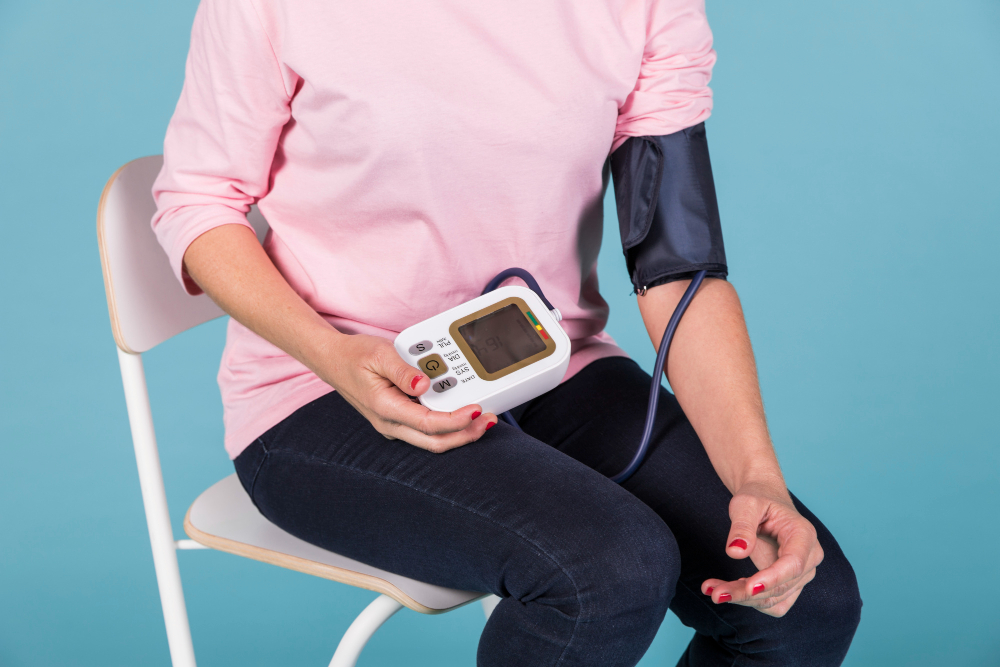
  • Monitor your blood pressure at home, if advised.
  • Eat a healthy, balanced diet low in salt and fat.
  • Stay active with gentle exercise, as approved by your doctor.
  • Maintain a healthy weight before and after pregnancy.
  • Avoid smoking and limit alcohol use.
  • Manage other health conditions, such as diabetes or kidney disease.
  • Moreover, talking to your healthcare provider about your personal risk can help you make a plan. They may suggest extra monitoring or lifestyle changes to keep you safe.

    When to Seek Medical Help

    It is important to know when to call your doctor. Seek medical help right away if you notice:

  • Severe headache that does not go away
  • Vision changes, such as blurred vision or seeing spots
  • Shortness of breath or chest pain
  • Swelling in your face, hands, or legs
  • Sudden weight gain
  • Nausea or vomiting
  • These symptoms may signal high blood pressure or other serious problems. Early treatment can prevent complications.

    In summary, knowing the risk factors for postpartum hypertension can help you stay healthy after childbirth. If you have concerns or notice symptoms, consult a healthcare specialist for personalized advice on postpartum hypertension risk factors.

  • Antenatal Care: What It Is and Why It’s Important for You and Your Baby

    Antenatal Care: What It Is and Why It’s Important for You and Your Baby

    What is Antenatal Care?

    Antenatal care means the medical attention and support a woman gets during pregnancy. It includes regular pregnancy checkups, health advice, and tests. Early and routine pregnancy visits help keep both mother and baby healthy. Most experts, including the World Health Organization (WHO), recommend starting antenatal care as soon as you know you are pregnant.

    Why is Antenatal Care Important?

    First, antenatal care helps spot health problems early. This means doctors can treat issues before they become serious. Also, regular visits help track your baby’s growth. In addition, you get advice on nutrition, exercise, and safe medicines. For example, antenatal care lowers the risk of pregnancy complications. It also helps prepare you for labor and delivery. Most importantly, it supports a healthy start for your baby.

    Key Steps in Antenatal Care

    Every pregnancy is unique. However, most antenatal care plans include these steps:

  • First Visit: Confirm pregnancy, review medical history, and plan future visits.
  • Routine Checkups: Monitor blood pressure, weight, and baby’s heartbeat.
  • Screenings: Test for anemia, infections, and blood sugar levels.
  • Ultrasound Scans: Check baby’s growth and position.
  • Vaccinations: Protect against diseases like tetanus and flu.
  • Health Education: Learn about warning signs, nutrition, and birth planning.
  • Usually, you will have more visits as your pregnancy progresses. For example, visits may be monthly at first, then every two weeks, and weekly near the due date.

    Common Tests and Screenings

    During antenatal care, doctors recommend several tests. These help ensure both mother and baby stay healthy. Some common tests include:

  • Blood Tests: Check for anemia, blood type, and infections.
  • Urine Tests: Detect infections or high sugar levels.
  • Ultrasound: Monitor baby’s growth and check for birth defects.
  • Blood Pressure Checks: Screen for high blood pressure or preeclampsia.
  • Gestational Diabetes Test: Check for high blood sugar during pregnancy.
  • Importantly, these tests help catch problems early. Early treatment can prevent serious health issues for both mother and baby.

    Nutrition and Lifestyle Tips During Pregnancy

    Good nutrition is key for a healthy pregnancy. For instance, eating a balanced diet helps your baby grow well. Here are some tips:

  • Eat plenty of fruits, vegetables, and whole grains.
  • Include protein from eggs, beans, fish, or lean meat.
  • Drink enough water every day.
  • Take prenatal vitamins with folic acid, as advised by your doctor.
  • Avoid alcohol, smoking, and illegal drugs.
  • Limit caffeine and avoid raw or undercooked foods.
  • Stay active with gentle exercise, like walking or prenatal yoga.
  • Additionally, always talk to your healthcare provider before starting any new diet or exercise plan.

    Preventive Measures and Warning Signs

    Preventive care helps lower the risk of problems. For example, get all recommended vaccines and attend every scheduled visit. Also, know the warning signs that need quick medical help. Watch for:

  • Severe headache or vision changes
  • Heavy bleeding or fluid leaking from the vagina
  • Severe stomach pain or cramps
  • Fever or chills
  • Less movement from your baby
  • Swelling in your face or hands
  • If you notice any of these, contact your doctor right away. Early action can protect both you and your baby.

    Frequently Asked Questions about Antenatal Care

  • When should I start antenatal care?
  • Start as soon as you know you are pregnant. Early care leads to better outcomes.
  • How often should I have pregnancy checkups?
  • Most women see their doctor every 4 weeks at first, then more often as pregnancy progresses.
  • Are all tests safe for my baby?
  • Yes, routine tests are safe and help keep you and your baby healthy.
  • Can I travel during pregnancy?
  • Usually, yes. However, always check with your doctor before making travel plans.
  • What if I miss a visit?
  • Try to reschedule as soon as possible. Regular visits are important for your health.
  • Conclusion and Next Steps

    In summary, antenatal care is vital for a healthy pregnancy. It helps spot problems early, supports your well-being, and prepares you for childbirth. Remember, every pregnancy is unique. Therefore, consult a healthcare provider for personalized antenatal care advice. Regular visits and healthy habits give your baby the best start in life.