Author: samyukthagoni

  • PELVIC INFLAMMATORY DISEASE (PID): The disease that Affects Female Reproductive Organs

    PELVIC INFLAMMATORY DISEASE (PID): The disease that Affects Female Reproductive Organs

    Around 1 in 8 women with a history of PID experience difficulties getting pregnant.

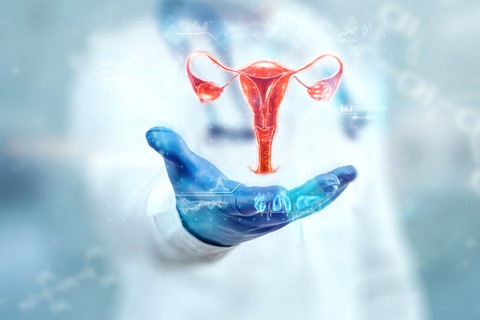
    Pelvic inflammatory disease (PID) is an infection or inflammation in the female genital tract or the reproductive organs that help you get pregnant and have a baby.  

    Organs that are affected by PID include:    

    • Uterus  
    • Ovaries  
    • Fallopian tubes  
    • Cervix  

    In most cases, PID is caused by a bacterial infection spreading from the vagina or cervix into the uterus, fallopian tubes and ovaries. 

    Signs and Symptoms of PID include:    

    • Severe pain in the abdomen (pain around the pelvis or lower tummy)  
    • High temperature (fever) 
    • Pain or discomfort during sex that’s felt deep inside the pelvis  
    • Painful urination with a burning sensation  
    • Irregular bleeding between periods and after sex 
    • Increased or foul-smelling vaginal discharge, especially if it’s yellow, green or smelly 

      PID is usually caused due to   

    1. Sexually transmitted diseases: Different types of bacteria cause PID. The most common bacteria that cause PID are through sexually transmitted infection (STI), such as chlamydia or gonorrhoea or mycoplasma genitalium.  
    2. Childbirth or miscarriage: If there’s damage to the cervix following childbirth or a miscarriage, there are high chances of infection 
    3. Pelvic procedures or abortion or insertion of an intrauterine device (IUD): Any procedure that involves opening the cervix (such as abortion, an inspection of the womb, or insertion of an intrauterine device (IUD) may lead to an infection causing PID. 

     Who’s most at risk?  

    You are more likely to get a PID if you: 

    • Have more than one sexual partner 
    • Have a history of STIs 
    • Having unprotected sex 
    • Have had PID in the past 
    • Started having sex at a young age (under 25) 
    • Had a miscarriage or abortion or had an intrauterine device (IUD) inserted 

     There’s no particular test to diagnose pelvic inflammatory disease (PID). Your doctor may diagnose PID based on your symptoms and a gynecological examination.  

    Your doctor may ask about your sexual and medical history, followed by a pelvic examination to check for tenderness or abnormal vaginal discharge. 

     Tests that support a diagnosis of PID include:  

    • A swab test (taken from the vagina or cervix) sent to identify bacterial growth 
    • A urine or blood test to check for infection 
    • A pregnancy test  
    • An ultrasound scan is usually carried out using a probe passed into the vagina (transvaginal ultrasound)  

    Sometimes, a laparoscopy (keyhole surgery) may be used to diagnose PID. 

     Can PID be cured?  

    PID, if diagnosed early, can be treated effectively with antibiotics. However, treatment may not reverse any damage that has already happened to your reproductive system.  

    Taking antibiotics help reduce the symptoms before the infection is completely cured. Make sure you finish your course of medications even if the symptoms disappear. 

      What happens if I don’t get treated?  

    The complications associated with PID can be prevented if detected and treated early. Some of the complications of PID include: 

    • Recurrent pelvic inflammatory disease (PID) 
    • Formation of scar tissue in the fallopian tubes that can lead to tubal blockage 
    • Collection of infected fluid called abscesses, most commonly in the fallopian tubes and ovaries 
    • Ectopic pregnancy (pregnancy outside the womb) 
    • Infertility (inability to get pregnant) 
    • Long-term pelvic/abdominal pain 

     Can you prevent pelvic inflammatory disease?  

    Steps to prevent PID include: 

    Limiting sexual partners: The risk for PID increases with multiple partners. 

    Practising safe sex: Using condoms and diaphragms can help reduce the risk of PID. 

    Seeking immediate treatment if you notice symptoms: If you notice signs of PID or other STIs, consult your doctor at the earliest.  

    Regular checkups: Regular gynaecological exams and screenings help identify and treat cervical infections before they spread to reproductive organs. 

    Avoid douching: Douching alters the balance of bacteria in the vagina leading to infections. 

    Consult your healthcare provider today to understand more about PID.  
  • Know More About Menopause

    Know More About Menopause

    Menopause is the end of woman’s menstrual periods, and she can no longer bear children. It is a natural part of aging and usually occurs between 45-55 years.

    During menopause, a woman’s body goes through many changes due to decreasing levels of the hormones.

    Symptoms of Menopause 

    • Irregular Periods
    • Hot Flashes
    • Night Sweats
    • Mood Swings
    • Vaginal Dryness
    • Decreased Libido
    • Weight Gain
    • Sleep Disturbances
    • Fatigue
    • Thinning Hair
    • Breast Tenderness
    • Memory Problems
    • Joint Pain
    • Urinary Problems

    Causes of Menopause 

    • Natural Aging
    • Surgery
    • Radiation Therapy
    • Certain Medications
    • Certain Medical Conditions (pituitary gland disorders or thyroid disease)
    • Lifestyle (Poor diet, stress, excessive smoking, and alcohol)

    Diagnosis of Menopause 

    • Medical History
    • Physical Examination
    • Blood Tests (To measure hormone levels and confirm the diagnosis)
    • Bone Density Scan or Pelvic Ultrasound (To rule out other conditions)

    Treatment for Menopause

    Menopause is a natural process and does not need treatment in most cases.

    In a few cases, treatment focus on relieving your signs and symptoms which include:

    • Hormonal Therapies
    • Medications
    • Lifestyle Changes


    Complications of Menopause 

    • Heart Disease
    • Osteoporosis (Weak Bones)
    • Urinary Incontinence (Involuntary loss of urine)
    • Vaginal Dryness
    • Hot Flashes (Sweating and Flushing)
    • Mood Swings
    • Weight Gain

    Lifestyle Changes for Menopause 

    • Eat a Balanced Diet
    • Exercise Regularly
    • Limit Alcohol
    • Identify and Manage Stressors
    • Get Enough Sleep
    • Try Natural Remedies (yoga, meditation, and herbal supplements)

    Diet Changes for Menopause

    Changing your diet can sometimes help relieve menopause symptoms.

    Foods to include:

    • Soybeans
    • Chickpeas
    • Lentils
    • Flaxseed
    • Grains
    • Beans
    • Fruits
    • Vegetables

    menopause is a natural biological process that all women go through, and while it can be challenging, it doesn’t have to be debilitating. By staying active, eating a healthy diet, getting enough sleep, talking to your doctor, practicing stress reduction techniques, and joining a support group, women can manage the symptoms of menopause and improve their overall quality of life. Remember, menopause is just another chapter in your life, and with the right mindset and coping strategies, you can embrace it and continue to thrive.